Prototypes, Pitches and Possibility: The Make-A-Thon Story
From first prototype to industry career, one alum returns to the sustainability competition that started it all.

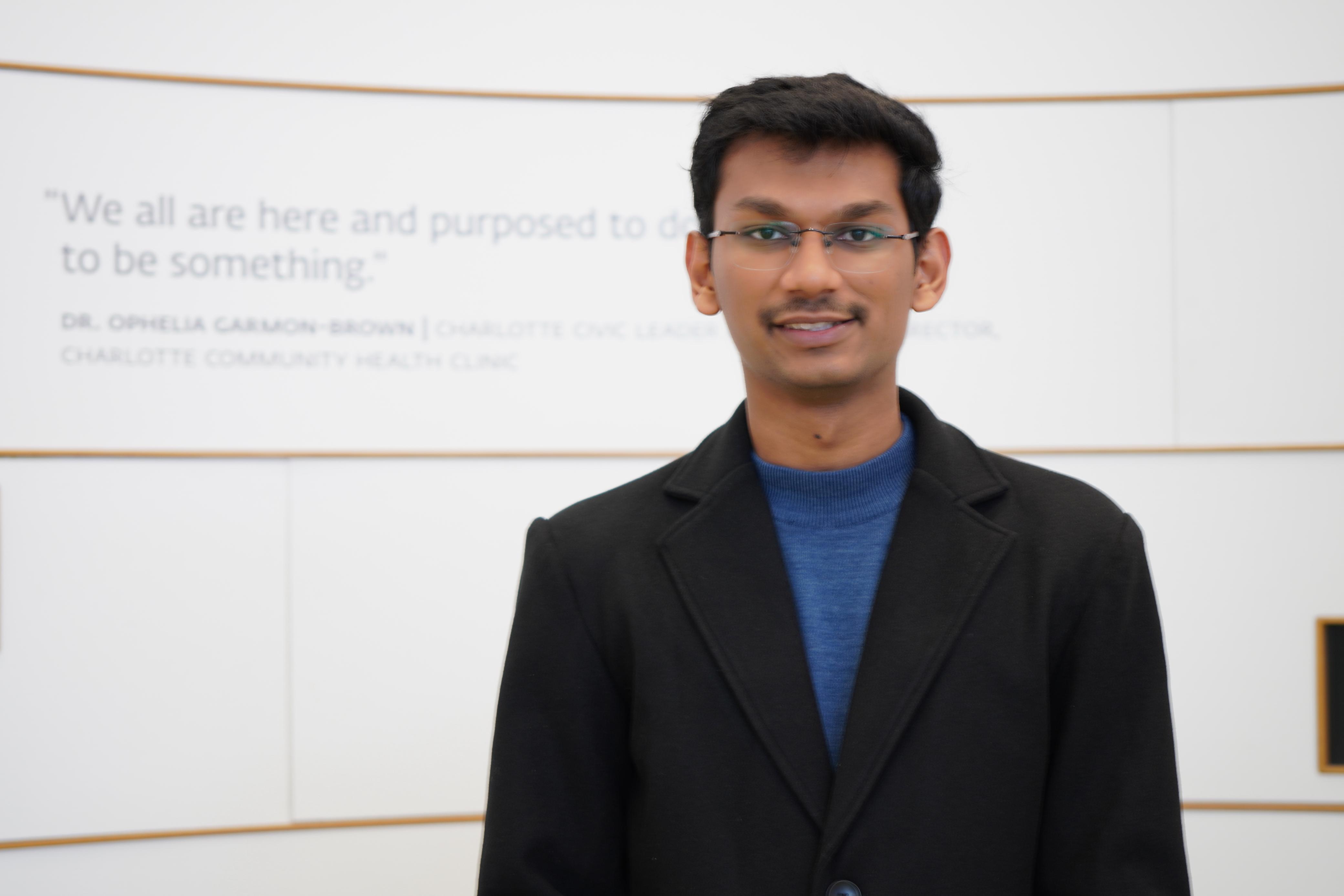
Make-A-Thon is not just a weekend sprint at NC State; it is a launchpad where students transform sustainability challenges into real solutions and lasting confidence. Each year, NC State Sustainability invites students from across disciplines to prototype ideas that tackle real-world environmental problems, then pitch their solutions to campus and industry judges over an intense, creativity-filled weekend. In 2026, that spirit of innovation came full circle for alumnus Nick Sischo (environmental technology management, ‘20), who returned to support the competition that helped shape his own path as an undergraduate.
From undergraduate Tinkerer to Cisco Engineer
Today, Sischo works as a systems engineer at Cisco Systems, applying a blend of technical skill and systems thinking that first took root during his time at NC State. As an undergraduate, he gravitated toward opportunities that combined sustainability, technology and hands-on experimentation, finding his footing in NC State’s growing innovation ecosystem. Make-A-Thon quickly became one of the defining experiences of his student years, giving him both a testing ground for ideas and a community of collaborators.
Stepping into Make-A-Thon for the First Time
Nick’s first Make-A-Thon began the way it does for many students: with curiosity, a bit of uncertainty and a willingness to dive in even without a perfectly formed idea or a ready-made team. Over a single weekend, he and his teammates identified a sustainability problem they cared about, sketched potential solutions and built a prototype under tight time pressure. The late-night work sessions, quick pivots when ideas did not pan out and final pitch to judges all became part of a formative experience in problem-solving.
Tapping into Campus Resources and Events
Make-A-Thon did not exist in isolation for Nick; it sat within a broader network of campus resources that nurtured his interests. Early in his undergraduate years, he began showing up to makerspaces and entrepreneurship-focused spaces, where access to tools, mentors and peers turned ideas into tangible projects. From there, he explored additional events and programs — pitch nights, workshops and living-learning communities — that reinforced the mindset he first practiced at Make-A-Thon: identify a problem, test an idea, iterate and learn.
“The Albright Entrepreneurship Village (AEV) was particularly impactful to me because of the community aspect and being in a room with various like-minded people.
Having a place to come back to that has access to resources, that is connected to the various networks on campus, and that constantly encourages collaboration makes it easier to keep building ideas,” Sischo explained.
Coming Back Full Circle: Mentor and Judge
Years after his first Make-A-Thon, Nick returned to the event from the other side of the judging table. Instead of racing to finish a prototype, he spent the weekend listening to student pitches, asking probing questions and offering feedback grounded in both his undergraduate journey and his professional experience at Cisco. Watching teams wrestle with sustainability problems he once tackled himself, he saw familiar patterns of experimentation, collaboration and resilience.
From Campus Projects to Career Skills
The skills Nick built through his time at NC State now show up daily in his work as a systems engineer. Learning to break complex sustainability challenges into manageable components translates naturally into designing and supporting complex technical systems. The practice of pitching ideas to judges prepared him to communicate clearly with colleagues and clients, while the habit of rapid prototyping helps him approach problems with flexibility rather than rigidity.
Advice to the Next Generation of Wolfpack Innovators
Looking back, Nick sees his involvement in Make-A-Thon and other campus resources as a series of choices to simply show up — often before he felt fully ready. His advice for current students is to take that first step: attend the event, walk into the makerspace, sign up for the workshop and be willing to join a team of people you do not know yet. The projects you build, the people you meet and the skills you practice can echo far beyond a single weekend competition.
This post was written in collaboration by Juliana Romero-Cortes and Kyla Keenan
- Categories: